Table of Contents
ToggleVirtual reality techniques have transformed how people experience digital content. These methods combine hardware, software, and clever engineering to create immersive environments that feel real. From gaming to medical training, VR applications now span dozens of industries. This guide breaks down the core virtual reality techniques that power modern immersive experiences. Readers will learn about display technologies, tracking systems, input methods, and rendering approaches. Understanding these fundamentals helps developers, enthusiasts, and decision-makers choose the right tools for their projects.
Key Takeaways
- Virtual reality techniques combine hardware like HMDs, tracking systems, and rendering methods to create immersive digital experiences across gaming, healthcare, and enterprise applications.
- Modern VR headsets use LCD or OLED displays with resolutions of 2000×2000 pixels per eye and 90-120Hz refresh rates to reduce motion sickness and improve clarity.
- Inside-out tracking has become the standard for consumer headsets, using onboard cameras and computer vision to detect user movement without external sensors.
- Hand tracking and haptic feedback systems are advancing virtual reality techniques by enabling controller-free interaction and realistic touch sensations.
- Foveated rendering optimizes performance by reducing image quality in peripheral vision, achieving 30-50% performance gains without noticeable quality loss.
- Cloud rendering and reprojection techniques help maintain smooth VR experiences, though latency management remains critical for user comfort.
Core Hardware and Display Technologies
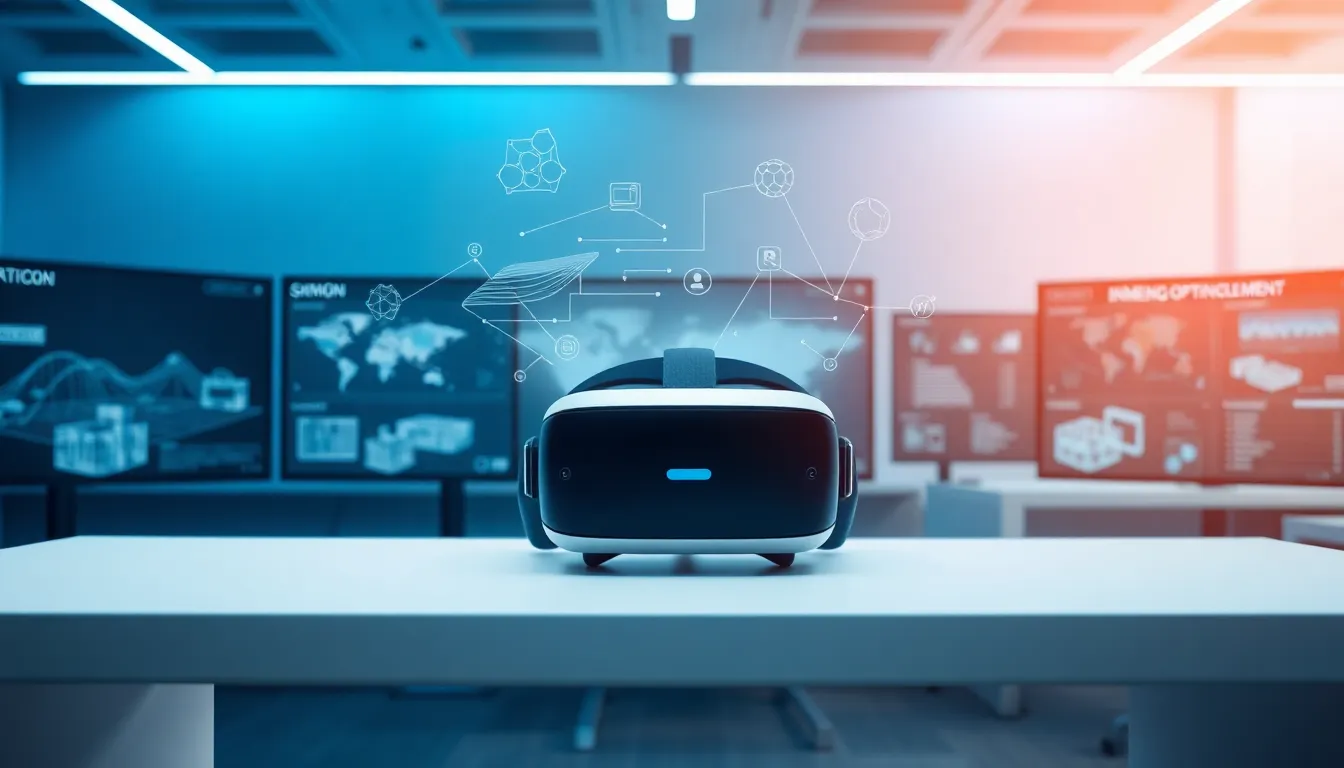
Virtual reality techniques begin with the hardware users wear on their heads. Head-mounted displays (HMDs) serve as the primary interface between users and virtual environments. These devices contain screens positioned close to the eyes, lenses that focus images, and sensors that track head movement.
Display Types and Specifications
Modern VR headsets use two main display technologies: LCD and OLED panels. LCD screens offer higher pixel density and reduced screen-door effect. OLED panels deliver deeper blacks and faster response times. Some manufacturers now use micro-OLED displays for sharper images in smaller form factors.
Resolution matters significantly in VR. Current high-end headsets offer 2000×2000 pixels per eye or more. Higher resolution reduces the visible pixel grid and improves text readability. Refresh rates of 90Hz to 120Hz help prevent motion sickness and create smoother visuals.
Lens Systems
Fresnel lenses dominate most consumer VR headsets. These thin, lightweight lenses bend light through concentric ridges. They keep headsets portable but can introduce glare and god rays around bright objects.
Pancake lenses represent newer virtual reality techniques in optics. They fold light paths to create thinner, lighter headsets. Apple Vision Pro and Meta Quest 3 use variations of this approach. The trade-off involves some light loss, requiring brighter displays.
Standalone vs. Tethered Systems
Standalone headsets contain all processing hardware inside the device. They offer portability and ease of setup. Meta Quest series exemplifies this category.
Tethered headsets connect to external computers or consoles. They access more powerful hardware for better graphics. PC VR setups and PlayStation VR fall into this group. Some systems support both modes, offering flexibility for different use cases.
Tracking and Motion Capture Systems
Tracking systems form the backbone of convincing virtual reality techniques. They monitor user position and movement, translating physical actions into virtual responses. Accurate tracking creates presence, the feeling of actually being somewhere else.
Inside-Out Tracking
Most modern headsets use inside-out tracking. Cameras mounted on the headset observe the surrounding environment. Computer vision algorithms identify features in the room and calculate headset position. This approach requires no external sensors.
Inside-out tracking works well in most environments. It struggles in featureless rooms, very dark spaces, or areas with reflective surfaces. Some systems combine camera data with inertial measurement units (IMUs) for improved accuracy.
Outside-In Tracking
External sensors or base stations track the headset from fixed positions. Valve’s Lighthouse system uses laser sweeps to achieve sub-millimeter accuracy. This method excels for professional applications requiring precise tracking.
The setup process takes more time. Users must mount sensors around their play space. But, outside-in systems handle occlusion better when users turn away from cameras.
Hand and Body Tracking
Hand tracking has become a standard virtual reality technique. Cameras on headsets detect finger positions and gestures. Users can interact with virtual objects without holding controllers.
Full body tracking requires additional sensors. Some users attach trackers to feet, waist, and elbows. This enables virtual avatars to mirror complete body movements. Social VR applications and dance games benefit most from full body tracking.
Eye Tracking Integration
Eye tracking detects where users look within the virtual environment. This data enables foveated rendering, a technique covered later. Eye tracking also allows more natural social interactions in multiplayer experiences. Users can make eye contact with virtual characters.
Interaction and Input Methods
Virtual reality techniques for interaction determine how users manipulate virtual environments. Good input methods feel natural and reduce the learning curve for new users.
Motion Controllers
Handheld motion controllers remain the primary input device for most VR experiences. They track position and orientation in 3D space. Buttons, triggers, and thumbsticks provide additional input options.
Controller design varies between platforms. Some feature finger-sensing capacitive surfaces. Others include haptic feedback motors that simulate texture and resistance. Weight distribution affects comfort during extended sessions.
Natural Hand Interaction
Controller-free hand tracking enables direct manipulation of virtual objects. Users can grab, poke, and gesture without holding anything. This approach works best for casual applications and enterprise training scenarios.
Accuracy limitations affect fine motor interactions. Typing on virtual keyboards remains challenging. Many applications combine hand tracking with voice input for text entry.
Haptic Feedback Systems
Haptic technology adds touch sensations to virtual reality techniques. Basic vibration motors in controllers provide simple feedback. Advanced haptic gloves simulate pressure, texture, and temperature.
Ultrasonic haptic devices project focused sound waves onto user hands. These create mid-air tactile sensations without wearing anything. Research continues into full-body haptic suits for complete immersion.
Voice and Gaze Input
Voice commands offer hands-free control options. Users can select menu items, trigger actions, or communicate with virtual assistants. Speech recognition accuracy has improved substantially in recent years.
Gaze-based selection uses eye tracking for input. Users look at objects and confirm selection through dwell time or button press. This method works well for users with limited mobility.
Rendering and Visual Optimization Techniques
Rendering virtual reality content demands significant computing power. The system must generate two slightly different images, one for each eye, at high frame rates. Several virtual reality techniques help achieve smooth performance.
Foveated Rendering
Foveated rendering reduces computational load by varying image quality across the view. The center of vision receives full resolution. Peripheral areas render at lower quality. Since human eyes only see detail in the fovea, users rarely notice the difference.
Fixed foveated rendering applies this technique based on typical gaze patterns. Eye-tracked foveated rendering dynamically adjusts based on actual gaze direction. Performance gains of 30-50% are common with this approach.
Reprojection and Motion Smoothing
When frame rates drop, reprojection techniques maintain smooth motion. The system analyzes the previous frame and predicts the next one. This creates intermediate frames to fill gaps.
Asynchronous spacewarp (ASW) and motion smoothing are common implementations. These virtual reality techniques prevent judder and reduce motion sickness during performance dips. They work best for moderate frame drops rather than severe performance issues.
Level of Detail Management
Distant objects render with fewer polygons and simpler textures. As users approach, detail increases automatically. This dynamic level of detail (LOD) system balances visual quality with performance requirements.
Smart LOD systems consider both distance and user attention. Objects in peripheral vision receive less detail than those users actively examine. This pairs well with eye tracking data.
Cloud Rendering Options
Some platforms stream rendered VR content from remote servers. Powerful cloud computers handle graphics processing. Users receive compressed video streams on lightweight headsets.
Latency remains the primary challenge. Even small delays between movement and visual response cause discomfort. 5G networks and edge computing help reduce round-trip times for cloud VR applications.